Allu system enables reuse of dredged materials from canal
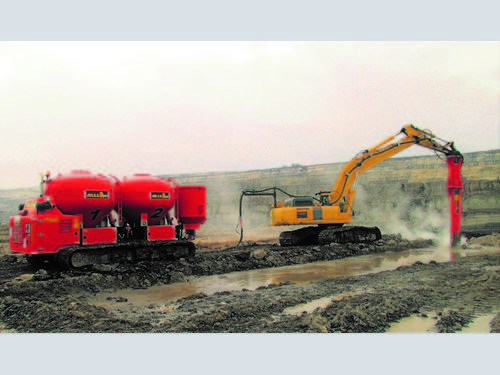
The historic Delaware and Raritan Canal periodically undergoes dredging in order to keep the waterway active. As part of this ongoing process, a soil stabilisation system and Processor system from Allu is being used to mix the dredged material with Portland cement, which enables the dredged material to be reused...
Dredging has resumed on the 96km long Delaware and Raritan Canal, with work expected to run through until the end of October. The canal functions as a means of transporting water and acts as a reservoir, being part of the Raritan basin water supply system, providing water to millions of central New Jersey residents. The canal itself is fed by the Delaware River and smaller streams, channels and other runoff sources. Sediment from road and land runoff is deposited in the canal, decreasing its water storage capacity, which periodically requires the sediment to be removed in order to restore the canal's original capacity.
450,000,00 litres of water each day is diverted from the Delaware River to the canal, with dredging being used to improve water quality and restore the canal's original carrying capacity by removing accumulated sediment, aquatic vegetation growth and debris. The canal itself, and many structures along its banks, are considered to be of a ‘historic nature’, with the dredging project designed to protect structures from any adverse impact. For example, to protect sections of the embankment still lined with historic stone armouring, dredging is not allowed within five feet of the embankment walls.
Beginning the process
Site preparation began in March 2018, with tree clearing and trimming at the staging area and five access areas, where dredges are placed into the canal with a crane. ‘In-water’ work, which includes the removal of submerged aquatic vegetation, debris and dredging, began in July of 2018, and three years of seasonal dredging activities are expected to be undertaken with full completion of the project by the beginning of 2021.
The logistics of the undertaking require year round work and a great deal of oversight. Following the 2018 dredging season, which ended in November, 76,000 tons of sediment was produced. The dredged material was allowed to dewater for a period of time, with the material needing to be mixed with cement to reduce the moisture content and improve handling for the end user before it could be hauled. Hauling began in December 2018, and continued through the end of March, followed by preparation for the next dredging season.
The most time consuming part of the work involves hydraulic dredging. It is a slow process, with only approximately 30m of canal per day per dredge accomplished. As part of the work, sediment is mixed with Portland cement and transported to an offsite facility for reuse, with the drained water returned to the canal following treatment. The dredging projects calls for approximately 250,000m3 of material to be dredged from the canal. Cranes are used to place the dredges and floating barges with excavators into the canal, with the large excavators being used ahead of the dredging operation to remove subaqueous vegetation and debris. Dredges are then used to remove the sediment from the canal.