Trade Body urgently calls on Government to step in with aid measures to help recycling sector with fuel
WATA, the Washed Aggregates Trade Association, is calling on the Government to protect the waste and recycling sector from escalating fuel costs and a potential fuel shortage as a matter of urgency.
The trade body, which represents washing plants that clean and recycle high grade aggregates for the construction and remediation industries, says the war in Iran is already putting business in its sector and the wider waste and recycling arena under threat.
It’s calling on the Government to look urgently at:
- Cutting taxes on fuel duty
- Suspending the forthcoming fuel duty rise for business in the waste and recycling industry
- Allowing the temporary use of red diesel for businesses in the sector operating machinery, including washed aggregate plants
- In the event of any supply issues, making sure the waste and recycling sector is prioritised for fuel as it was during the Covid Pandemic.
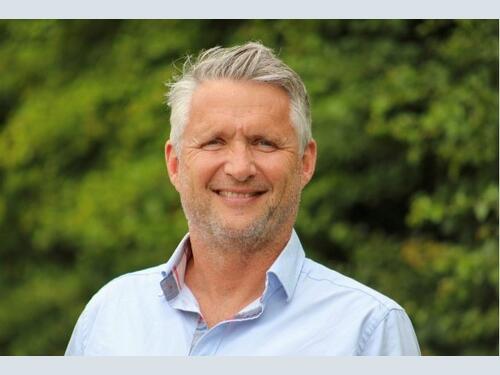
Andy Hill, CEO of WATA, said: “We need to look ahead and be prepared. We are already seeing a huge increase in fuel costs and I’m being told waste and recycling sites in some areas are having to put security on their sites to protect their fuel supply.
“This isn’t about scaremongering or causing undue alarm. It’s about recognising the key role that the waste and recycling sector plays in the day-to-day functioning of the UK.
“Without this sector running smoothly we risk stockpiles of waste building up, energy supply being affected and in the case of our own members, the supply of aggregates to key markets such as construction being placed at risk.”
Andy, who works in the energy from waste (EfW) sector as well as washed aggregates, said EfW plants account for between 3% and 3.2% of the UK’s energy production, enough to power three million homes.
The recycled aggregates sector washes and recycles an estimated 20.5 million tonnes of construction, demolition and excavation waste (CDEW) annually, producing:
- Circa 8-9 million tonnes each of cleaned and sized sand, and 2-4 million tonnes fine mineral material
- >95% of washed waste soils does not go to landfill
- >80% by weight of waste soils is washed and reused
WATA members generate carbon savings of more than 23,000 tonnes a year, a figure which is growing.
Andy added: “In these two parts of the waste and recycling sector alone you can see the importance it plays in the UK’s ability to function and to its carbon savings. This is something the Government must address urgently before it becomes a major issue.”