Fuelling the future: Meet the women leading the way in nuclear waste management this International Women in Engineering Day
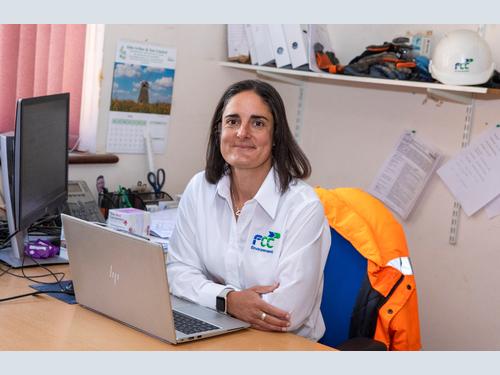
FCC Environment’s Lillyhall landfill is the first site in the UK to receive consent to handle low-level radioactive waste under new regulatory process for gaining consent to accept radioactive waste from the Health and Safety Executive...
Cumbria is a region with a rich nuclear energy history and strong connections to the sector, not only is it home to Europe’s largest nuclear site, but a range of ancillary businesses and operations that support tens of thousands of jobs across the county. The county is also home to a Low level – Low Activity waste disposal site, which forms part of the disposal framework for the country.
Securing a place on the framework was spearheaded by Site Business Manager, Helen Jackson. Alongside securing a place on the framework, in October 2023 sites that dispose of non-exempt waste to land such as a landfill must secure consent from the HSE to work with Ionising radiation, whilst the site has had a permit in place since 2011, it had not accepted waste. Helen Jackson working collaboratively with Health and safety Advisor, Karen Quinn found themselves paving the way for new industry standards in radioactive waste disposal when this consent was secured for the facility.
Helen, who will celebrate 20 years working in the waste management industry this September, said: “In 2023 the Health and Safety Executive (HSE) introduced a new regulatory process for gaining consent to accept radioactive waste.”
The complex and technical application process, which lasted for three months and culminated in an intense week for the pair, that saw them compiling the necessary risk assessments, dose calculations and supporting documents. Karen said: “Securing the permit was very much make or break for Lillyhall Landfill, the site depends upon the processing of radioactive waste for its long-term future, so without it there was a real risk it could have closed.”
Securing the new consent was not without its setbacks, including having their initial application rejected. However, the pair persevered and achieved something no other UK waste company had yet done under the new process.
The new consent has also brought sustainability benefits with it. “The site where we get the radioactive is within close proximity to Lillyhall,” Helen explains. “So, it doesn’t travel very far at all, whereas previously it had to be disposed of in Northamptonshire, this has improved efficiency for the customer and the proximity is a positive to carbon impacts associated with road haulage.”
Steve Longdon, Chief Executive at FCC Environment said: “To be the first site in the country to secure this consent is no mean feat. We’re extremely proud of the work that Helen and Karen have put in to secure the new consent, and ultimately the long-term future of the site.”
FCC Environment’s Lillyhall site has now accepted shipments of low-activity low level radioactive waste for near surface disposal, this is waste that’s only lightly contaminated that does not require geological deep disposal, this is real progress for the site that has held a permit that has not been actively used in 13 years. Helen believes changes to conventional landfill disposal is required to sustain the future of landfill void, she added: “With the UK sending less and less waste to landfill, and increased taxation on the waste, innovative solutions are needed to ensure that we can backfill our landfills in a safe and timely manner, and the future for many involves accepting waste that cannot be processed in other ways.”