How attitudes to haul road maintenance reveal a bigger shift in construction


Data is changing the way construction sites operate, turning once overlooked details into measurable opportunities for profit. From increased maintenance to fleet utilisation, data is taking the guesswork out of improving profitability.
William Groven, Product Manager at Komatsu Smart Construction offers his insight into how connected technology is transforming productivity on site.
Finding where profitability is lost
Most site managers know where their operations slow down, but few can quantify what those bottlenecks are actually costing or the impact of fixing them. Without clear data, even relatively simple operational changes can feel like an unnecessary risk.
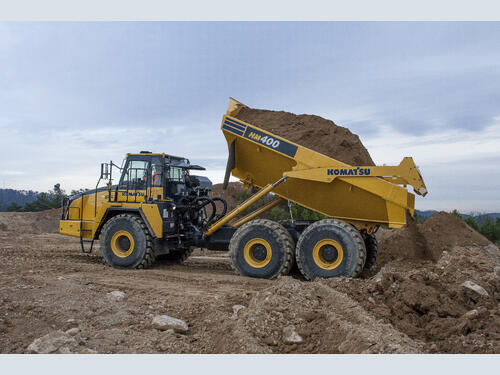
That was the position facing a large-scale earthworks operation, where haul truck cycles were falling short and fuel costs were creeping up. The site team suspected the haul road itself was the problem, but couldn't say with confidence where the losses were coming from or whether resurfacing it would be worth the disruption.
In a bid to overcome the losses and assess what changes could be made to create real impact, the team invested in technology and audits to understand the site in more detail.
Putting data to work
Using Smart Construction Fleet, the site was able to identify exactly what was slowing its trucks down and sinking profitability. By tracking vehicle speed against location, the technology flagged a haul road too narrow for efficient traffic flow.
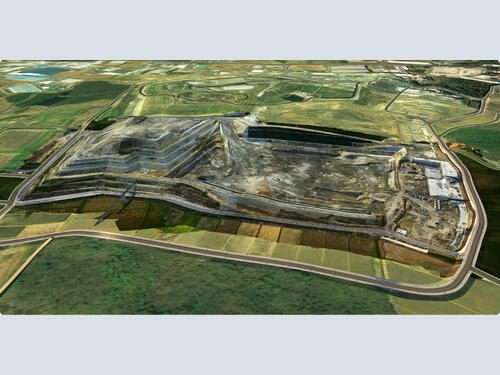
Running Fleet alongside Smart Construction Dashboard, site managers could build a digital model of the site, revealing an uneven surface that was costing fuel with every trip. Together, both tools create a clear picture of where cycles were being lost with Fleet tracking traffic flow and vehicle speed in real time and Dashboard mapping the terrain issues beneath it.
Using geofences and alert zones, the team monitored traffic flow, managed vehicle speeds and identified operational issues in real time. Most importantly, the combined data showed where productivity was being lost, allowing the team to prioritise improvements with confidence.
Widening the road cut congestion and dropped fuel consumption by 3.4 percent, while pushing daily cycles from 34 to 45. Resurfacing it added a further 9.8-10.6 percent improvement in fuel efficiency across the standard fleet.
William explains: “A prime example of how data-driven site adjustments can deliver fuel savings typically associated with next-generation machinery.
“As more sites begin to measure the impact of operational changes, data like this will begin to help site managers make significant improvements that might otherwise be left unidentified.
“Across construction sites, the pressure of earthworks operations is constant and the difference between an efficient operation and a costly one is often measured in litres of fuel, time of journey and the condition of the roads.”
Altogether, the changes are moving an extra 176,000 tonnes of material annually and cutting fuel costs by an estimated €26,520.
The data quickly pointed the team to the two biggest operational bottlenecks, allowing simple fixes to be made and the results to be measured almost immediately.