Washed Aggregates Sector calls for budget support to power the UK’s Circular Construction Economy
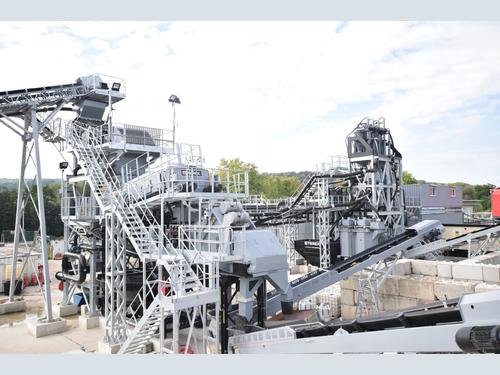
WATA, the trade body for the UK’s washed aggregates sector, is calling on Chancellor Rachel Reeves to put recycled materials at the heart of the UK’s sustainable construction strategy as she prepares for her first budget.
The sector, which recovers and reprocesses construction and excavation waste into high-quality, reusable materials, says simple, practical policy measures in the forthcoming budget could accelerate progress towards Net Zero, boost domestic resilience and create skilled green jobs across the country.
Mandating recycled aggregates in public infrastructure
The industry is calling for a minimum requirement of 35% of washed recycled aggregates to be used in all publicly-funded infrastructure projects. This would reduce reliance on primary extraction, cut carbon emissions and demonstrate the Government’s commitment to building a circular economy in practice, not just policy.
Investment in wash plant innovation
It is also asking for targeted investment incentives and capital grants for wash plant operators which would allow sites to upgrade technology, improve efficiency and reduce environmental impact. WATA believes such support would help small and medium-sized operators scale-up while maintaining high environmental standards.
Recognition in national policy
Furthermore, the trade body is urging Government to ensure washed and recycled aggregates are explicitly recognised within key national frameworks, including Net Zero strategies, the Resources and Waste Strategy and the Circular Economy Strategy so that recycled materials are viewed as primary contributors to the UK’s low-carbon infrastructure ambitions.
Building skills for a green economy
Finally, WATA is calling for funding to support training and workforce development, helping to meet rising demand for skilled technicians, plant operators and environmental specialists in recycling and wash plant operations.
Andy Hill, CEO of WATA, said: “This Budget is a defining moment for the circular economy. “With clear policy signals and modest investment, Government can unlock the full environmental and economic potential of the washed aggregates sector, repurposing a valuable resource, cutting carbon and creating good green jobs across the UK.”