WATA welcomes extension of fuel duty support but calls for wider recognition of recycling sector pressures
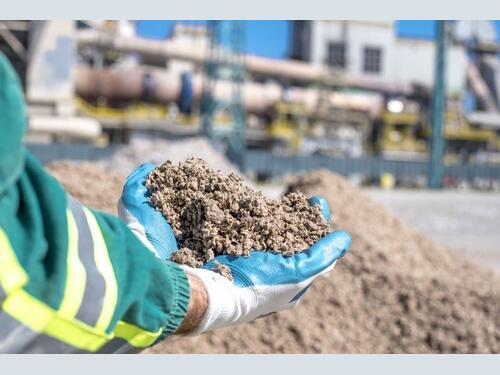
The Washed Aggregates Trade Association (WATA) has welcomed the Government’s
decision to extend the fuel duty freeze until July 2027, saying the move will help ease
some of the cost pressures facing businesses across the waste and recycling sector.
The extension, announced today by Chancellor John Healey in his first Budget, provides
continued support for businesses reliant on road transport at a time when fuel costs
remain a significant operating expense.
However, WATA says fuel duty is only one part of the wider cost pressures facing washed
aggregate operators, which process construction, demolition and excavation waste into
reusable materials for the construction and remediation industries.
Andy Hill, CEO of WATA, said: “Fuel duty is an important part of the picture, but keeping
the washed aggregates sector financially viable requires a broader approach. Businesses
need confidence that they can invest in their facilities, that the regulatory framework
supports the recovery and reuse of materials, and that there will be a strong market for the
products they produce.
“Government can help deliver that through targeted investment support and by requiring a
minimum of 35% washed recycled aggregates in publicly funded infrastructure projects.
This would support responsible recycling businesses, help create greater certainty for
investment and conserve natural resources by keeping valuable materials in circulation.”
WATA has previously called on the Government to consider further practical measures to
help the waste and recycling sector manage fuel price volatility, including reviewing fuel
duty and considering whether temporary support could be made available to businesses
operating essential processing machinery.
The trade association says a wider approach to supporting the sector would help ensure
that businesses recovering and reusing valuable materials can continue to operate
effectively, invest in their facilities and contribute to the UK’s circular economy.