Why Cost Per Tonne Inspections are Transforming Screening Media Management
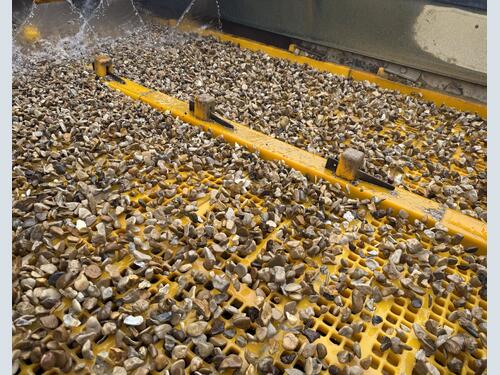
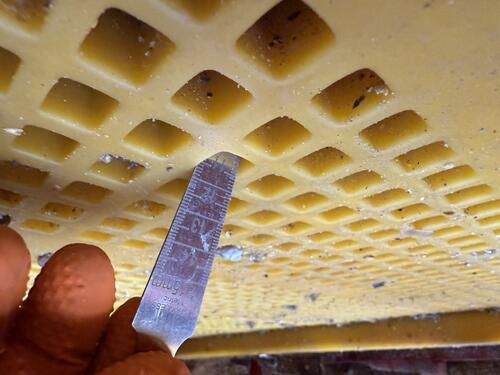
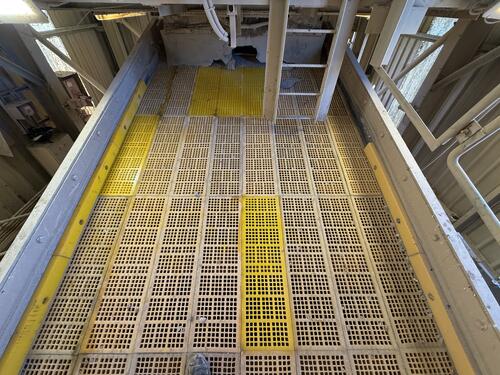


Across the UK quarrying industry, the focus on efficiency has never been greater. Rising operating costs and increasing customer expectations mean that every decision must deliver measurable value. At TEMA ISENMANN, we believe that one of the most effective ways to achieve this is through a cost per tonne approach to inspecting, maintaining and replacing screening media, supported by scheduled site inspections and experienced field service engineers.
Due to the ever-present need for production, it has often been the case in recent years that maintenance is reactive as opposed to preplanned and scheduled. Media is replaced when they fail, budgets are set based on historic spend, and performance issues are often only addressed once non-conforming material appears. A cost per tonne inspection regime turns this model on its head by placing data, planning and prevention at the centre of maintenance strategy.
The first major benefit for customers is the ability to accurately forecast annual expenditure on screening media. By monitoring how many tonnes each deck or item of screening media processes before reaching the end of its effective life, we can establish a reliable cost per tonne figure. This allows quarry operators to predict annual spend based on planned production volumes rather than relying on rough estimates or last year’s figures. The result is far greater financial control. Maintenance and procurement teams can set realistic budgets, avoid unexpected costs and remove the need for emergency purchases. Over time, this transparency helps demonstrate the true value of high performance TEMA ISENMANN screening media, where longer wear life and consistent performance deliver a lower cost per tonne, regardless of the initial purchase price.
Regular pre-scheduled inspections also play a crucial role in ensuring that the final product remains within specification. Worn or damaged screening media is a common cause of oversized or undersized material contaminating finished stockpiles. These non-conformities can lead to rejected loads, customer dissatisfaction and costly reprocessing. Through scheduled cost per tonne inspections, the condition of the screening media is assessed before performance drops below acceptable levels. Aperture wear, media movement and early signs of failure can all be identified and addressed proactively. This ensures that material leaving the site consistently meets specification, protecting both revenue and reputation.
A key part of this approach is the utilisation of TEMA ISENMANN’s regenerated field service engineers. Each brings previous hands-on industry experience, meaning they understand the real-world pressures of running a quarry. They are not just inspecting screening media, but evaluating the entire screening process, including feed conditions, material characteristics and installation practices. The expertise that each of the field service engineers offer also advances the plant operation with areas outside of the general remit that TEMA ISENMANN traditionally offer solutions to such as worn steelwork, missing bolts and chute blockages. Their recommendations are practical, application specific and focused on improving performance over the long term. By working closely with site teams, along with a full report to record on-site activities, our field service engineers help optimise media selection, identify wear trends, extend service life and reduce the risk of unscheduled downtime.
Ultimately, cost per tonne inspections are about partnership rather than product supply. By combining high quality TEMA ISENMANN screening media with regular inspections and expert field support, customers gain clarity over costs, confidence in product quality and greater control over their operations. In an industry where margins are tight and reliability is essential, this approach offers a smarter, more sustainable way to manage screening media and keep production moving efficiently.