From air quality to cost control: 3 compressed air considerations for modern wood manufacturers
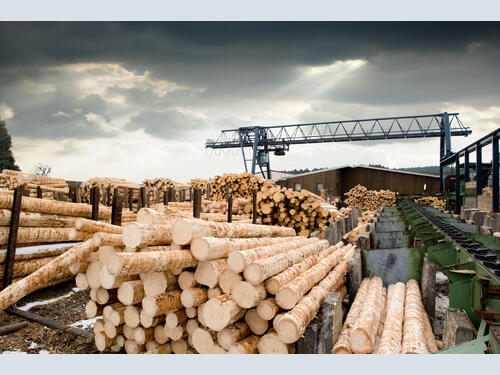
In wood manufacturing, compressed air supports almost every stage of production, from sawing and sanding to CNC automation and material handling. But woodworking facilities are not always easy environments for compressed air equipment. Fine wood dust, changing temperatures, humidity and high-duty production cycles can all affect reliability, air quality and energy use. Atlas Copco, manufacturer of electric E-Air compressors designed for demanding industrial environments and applications, shares three key considerations for wood manufacturers when choosing a compressed air system.
Woodworking facilities are often challenging environments for compressed air systems. Fine, abrasive dust can enter equipment, clog filters and increase wear, while compressors are frequently installed in outdoor or semi-open areas where temperatures and humidity fluctuate. At the same time, cutting, sanding, finishing and automated handling processes often run for long periods and place continuous demand on the air network. So, what should wood manufacturers consider when choosing a compressor system?
1. Keep dust and moisture out of the air system
Air quality is one of the first priorities in wood manufacturing. Woodworking facilities produce large amounts of fine, abrasive dust, which can enter equipment, clog filters and cause early wear in air compressors and downstream tools. That makes air quality and dust protection important factors when choosing an air compressor for woodworking machines.
Clean, dry air is especially important for CNC clamping, automated lines and finishing systems. Even small amounts of dust or moisture can affect tool performance, lead to uneven finishes or interrupt production. For that reason, wood manufacturers should look at compressed air systems with advanced inlet filtration, moisture control and safeguards that help prevent polluted air from entering equipment.
2. Size the system for peak demand, not average use
Woodworking operations rarely rely on one air-powered application at a time. Pneumatic sanders, sprayers, staplers, clamping systems, conveyors and CNC equipment can all draw air from the same network. When several of these applications operate simultaneously, the compressor system needs to maintain both airflow and pressure.
If the system is too small or cannot respond to demand changes, tools may slow down, coating quality can become inconsistent and CNC machines may generate errors. In high-volume facilities, even short disruptions can quickly affect output. A reliable compressed air set-up should therefore be sized for peak airflow and designed for long duty cycles or continuous use, so every part of the production line receives the air it needs.
3. Treat energy efficiency as part of long-term reliability
Compressed air is one of the more energy-intensive utilities in wood manufacturing. That makes efficiency an important factor, not only for sustainability targets, but also for long-term operating costs. A compressor that adapts to changing air demand can help reduce electricity use, especially in facilities that run multiple shifts or continuous production.
Durable components, optimised cooling and reduced maintenance requirements also contribute to a lower total cost of ownership. For wood manufacturers, the right compressor choice can support stable production, predictable maintenance and lower running costs.
“Choosing the right compressed air system for wood manufacturing starts with mapping the production process, not with looking at the compressor in isolation,” concludes Panagiotis Papaioannou, Product Marketing Manager Portable Air Division at Atlas Copco. “A sawmill, CNC line or finishing area can each have different requirements in terms of air quality, pressure stability, installation conditions and operating hours. By looking at those needs together, manufacturers can avoid undersized systems, unnecessary energy use and maintenance issues further down the line. That broader view is what helps turn compressed air from a hidden utility into a reliable part of the production process.”