When roads fail, materials matter


Turning materials science into better roads through automation
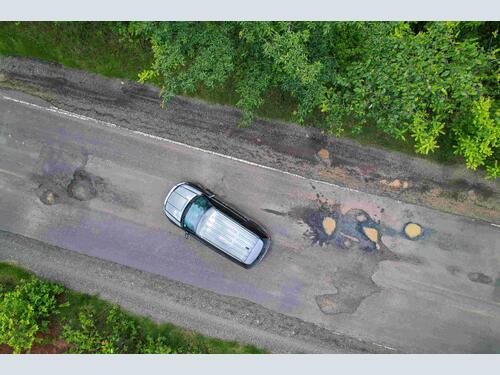
From images of fake legs protruding from water-filled potholes to the growing scrutiny of road performance, asphalt has become a very visible public issue. While potholes make the headlines, the science of asphalt is advancing rapidly. New additives, self-healing mixes and bio-based rejuvenators promise longer-lasting, more sustainable roads. But these benefits can only be realised if asphalt plants have the automation, monitoring and control systems capable of handling the more complex mixes reliably. Here, David Strain, technical director at systems integrator Technidrive, explains how advances in material science and digital technology are impacting asphalt production.
Among these innovations, one of the most widely discussed in recent years is self-healing asphalt. Research led by Swansea University has shown how incorporating biomass waste into asphalt allows microcracks to completely heal in less than an hour. Laboratory trials suggest this approach could extend road life, reducing the need for resurfacing and lowering whole life carbon emissions.
Further research published in ScienceDirect shows that bio-based rejuvenators — produced from waste oils, vegetable derivatives and biopolymers — can restore aged asphalt binders and improve performance, offering a sustainable path to longer pavement life.
Although the research highlights significant benefits, their effectiveness depends on how well plants can manage these more complex mixes. Advanced mixes tend to be less forgiving than traditional hot mix asphalt. Temperature stability, mixing time and energy input play a greater role in determining final material behaviour. Variations that may once have been acceptable can now undermine performance, placing greater emphasis on consistency and process control within a plant.
Digital feedback in plant operations
At the same time, digital technologies are changing how asphalt performance is assessed once it leaves the plant. The UK Department for Transport increasingly uses laser-based surface texture measurement, sensor-equipped survey vehicles and predictive condition monitoring tools.
Research and guidance published by National Highways shows that automated condition surveys using SCANNER and TRACS data can identify changes in road condition before visible defects appear, supporting a planned rather than reactive approach to maintenance.
This growing volume of performance data is beginning to influence decisions back at the plant. When production parameters can be reviewed alongside in-service performance, producers gain clearer insight into how adjustments at the mixing stage affect long-term outcomes. To support this, asphalt plants must be capable of collecting and interpreting process data in real time.
Automation and modern control systems play a central role here. Continuous monitoring of mixers, motors, fans and conveyors allow operating conditions to be adjusted dynamically rather than relying on fixed setpoints.
According to the International Energy Agency (IEA), advanced energy management practices, incorporating digitalisation, real-time process data and automated control can provide durable and scalable improvements in industrial energy performance across sectors.
Precision, efficiency and sustainability
Energy efficiency has become inseparable from both cost control and sustainability and efficiency improvements are one of the fastest and most cost-effective routes to industrial carbon reduction.
Without precise control of energy input, many of the environmental benefits associated with these materials risk being eroded during production. Smarter automation and better data visibility help ensure that process conditions remain within tighter tolerances, supporting consistent quality while reducing unnecessary energy use.
As materials science continues to advance, the demands placed on asphalt plants will only increase. New formulations require production systems that can respond to changing material behaviour without sacrificing throughput or reliability. Flexible automation architectures, integrated sensor networks and adaptable drive systems will also become standard features of modern plants.
Meeting these demands relies on precise, responsive plant equipment. High-efficiency electric motors, AC inverter drives and PLC-based control systems allow producers to maintain tight process control while reducing energy consumption and mechanical stress.
Simultaneously, integrated automation solutions that coordinate mixers, conveyors and material handling equipment help reduce variability and support consistent production as mix designs become more sophisticated.
This is where experience in industrial drive technology, automation and control system integration is essential. Applying these technologies in a practical production environment allows asphalt plants to translate advances in materials science into reliable, repeatable processes on the ground — supporting both performance and sustainability goals as the industry moves toward intelligent infrastructure.